You may also like

MIXI
2025
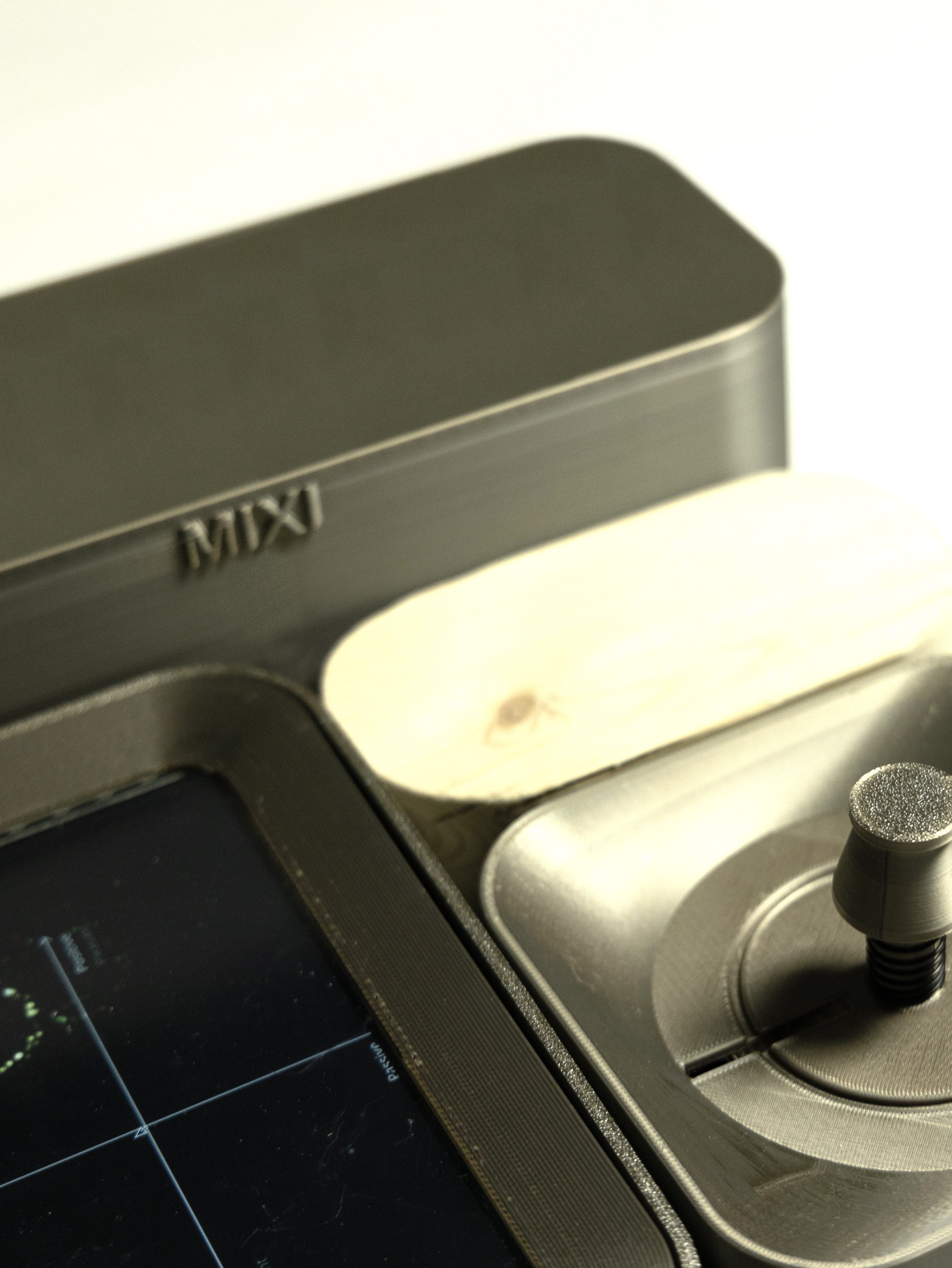
MIXI is an interesting AI emotion recognition drink machine, we preset a set of data about the relationship between taste and emotion, for example, spicy ginger juice represents anger, sweet pineapple juice represents happiness, when the two people who own this machine are sending messages to each other, the machine will connect to OPENAI to analyze the two people's emotion index in real time, and then after a period of time of the call, this index will be transmitted to the machine of the The other party, then the machine after receiving this index, according to the training data to release the corresponding proportion of the drink, for example, the other party is angry less than happy, it may be pineapple juice accounted for 80%, ginger juice accounted for 20% of the collocation, from the bottom of the cup injected into the cup, chatting with the two people will be the mood of the other party to visualize, and through the taste of the other party to perceive the other party's mood, this is a very interesting subject!
KINETIC
2025
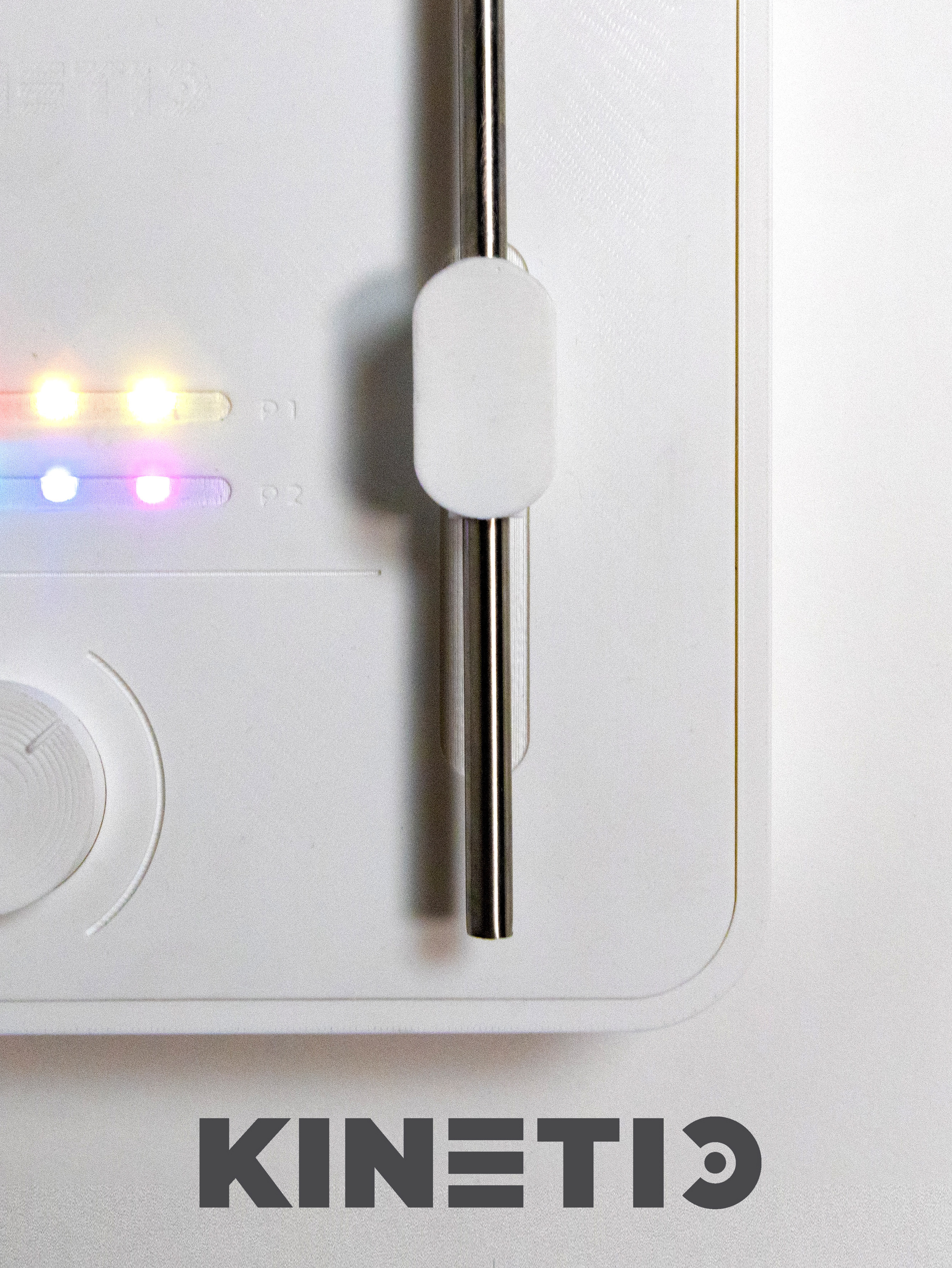
KINETIC is a 2D interactive mini-game that digitally reimagines the classic shuffleboard experience. Traditional wooden shuffleboards are often large, expensive, and difficult to maintain, which limits their accessibility despite their social and entertaining qualities. As a popular bar and leisure game, shuffleboard encourages face-to-face interaction and helps people connect, but the physical setup can be impractical in many environments. KINETIC addresses this challenge by transforming the game into a portable, screen-based experience. Players can enjoy realistic shuffleboard mechanics through digital physics simulation, using intuitive gestures or controllers to compete in both two-player and multiplayer modes. The project focuses on blending traditional social gameplay with modern digital interaction, reducing cost and space while preserving the fun and connection of the original game. It represents an exploration of how physical entertainment can evolve into an accessible, engaging, and communal digital format.
SONAR.SENSE
2025
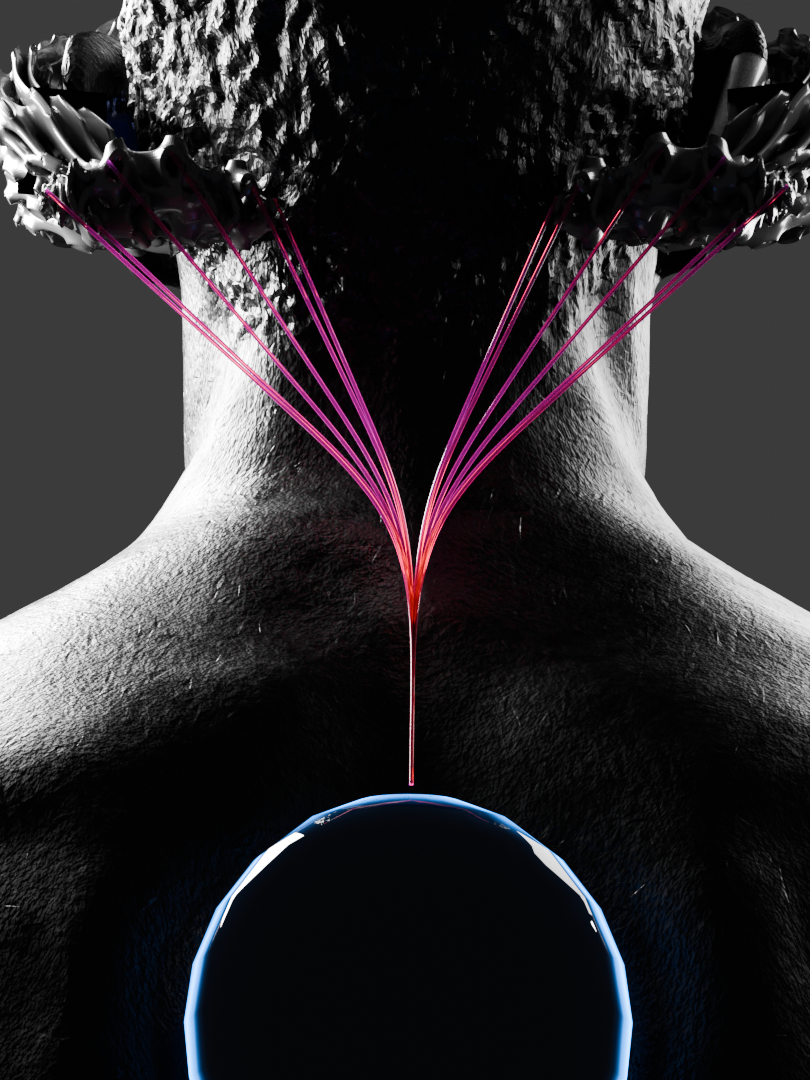
Sonar Sense is a wearable sensory device designed to assist individuals with low vision or those navigating dark environments. Inspired by the echolocation mechanism of bats, the system uses an ultrasonic distance sensor to continuously scan the user’s surroundings. When an obstacle is detected, a microprocessor activates a miniature air pump that emits a brief pulse of air near the user’s ear, providing an immediate, intuitive spatial cue. The exterior form draws from the anatomical geometry of a bat’s skull, integrating aerodynamic channels that guide and focus airflow to enhance perceptual clarity. This bio-inspired design transforms environmental feedback into tactile sensations, allowing users to sense spatial boundaries without visual dependence. Through the integration of biomimetic form, sensory computing, and pneumatic feedback, Sonar Sense proposes a new paradigm for assistive technology—one that translates natural ecological intelligence into a compact, accessible, and embodied form of human–environment interaction.
ANNELIO
2025
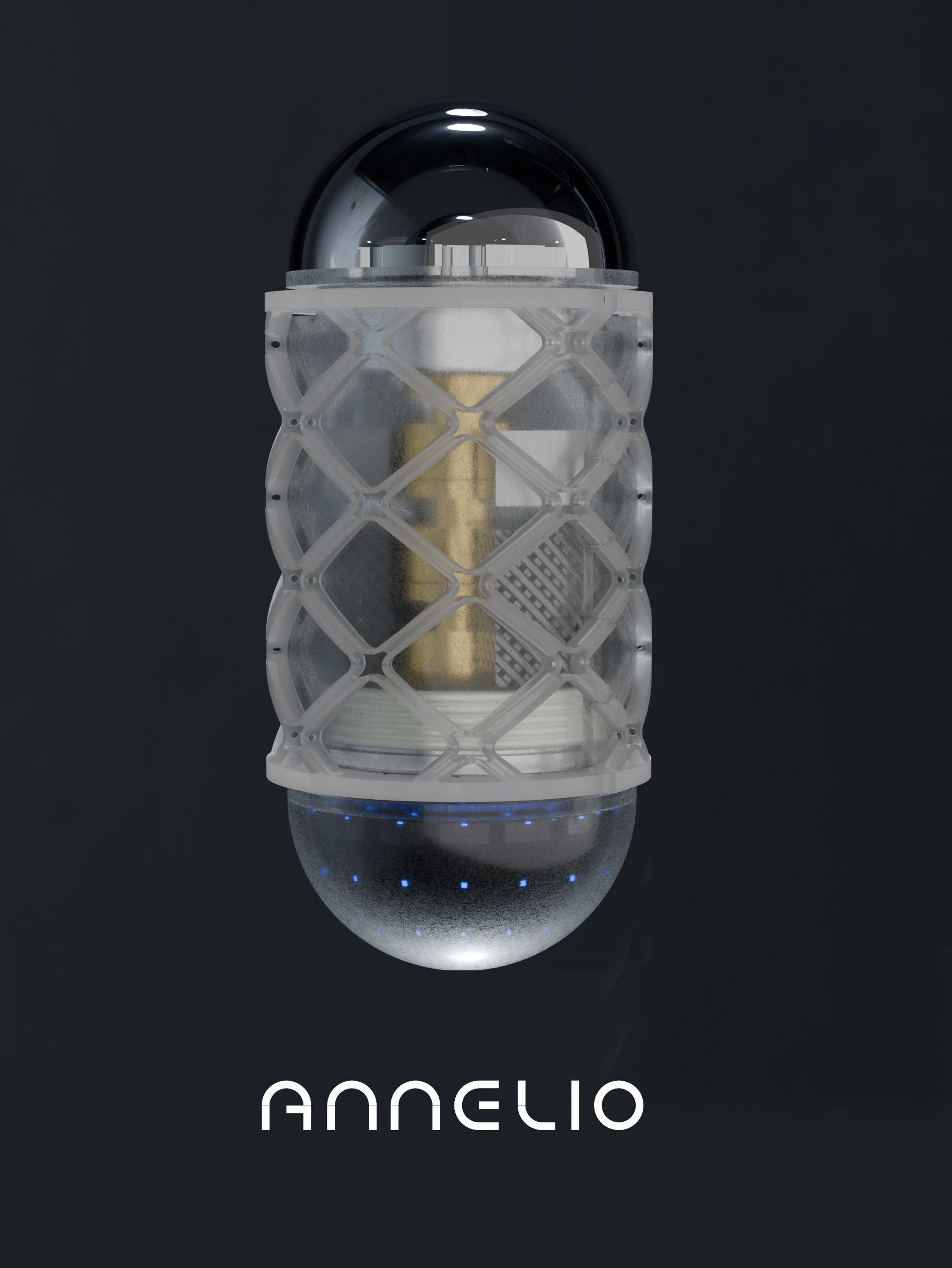
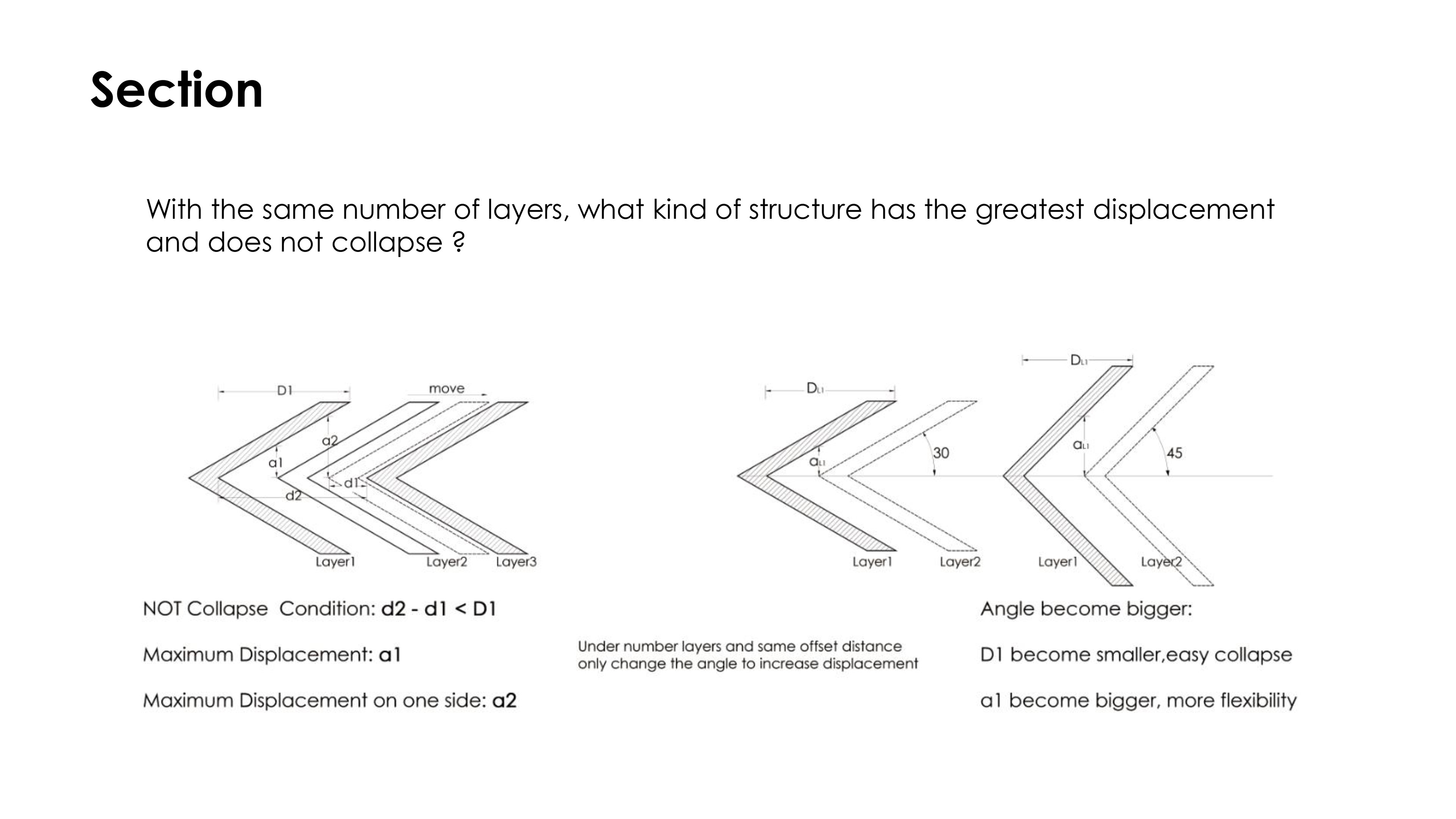
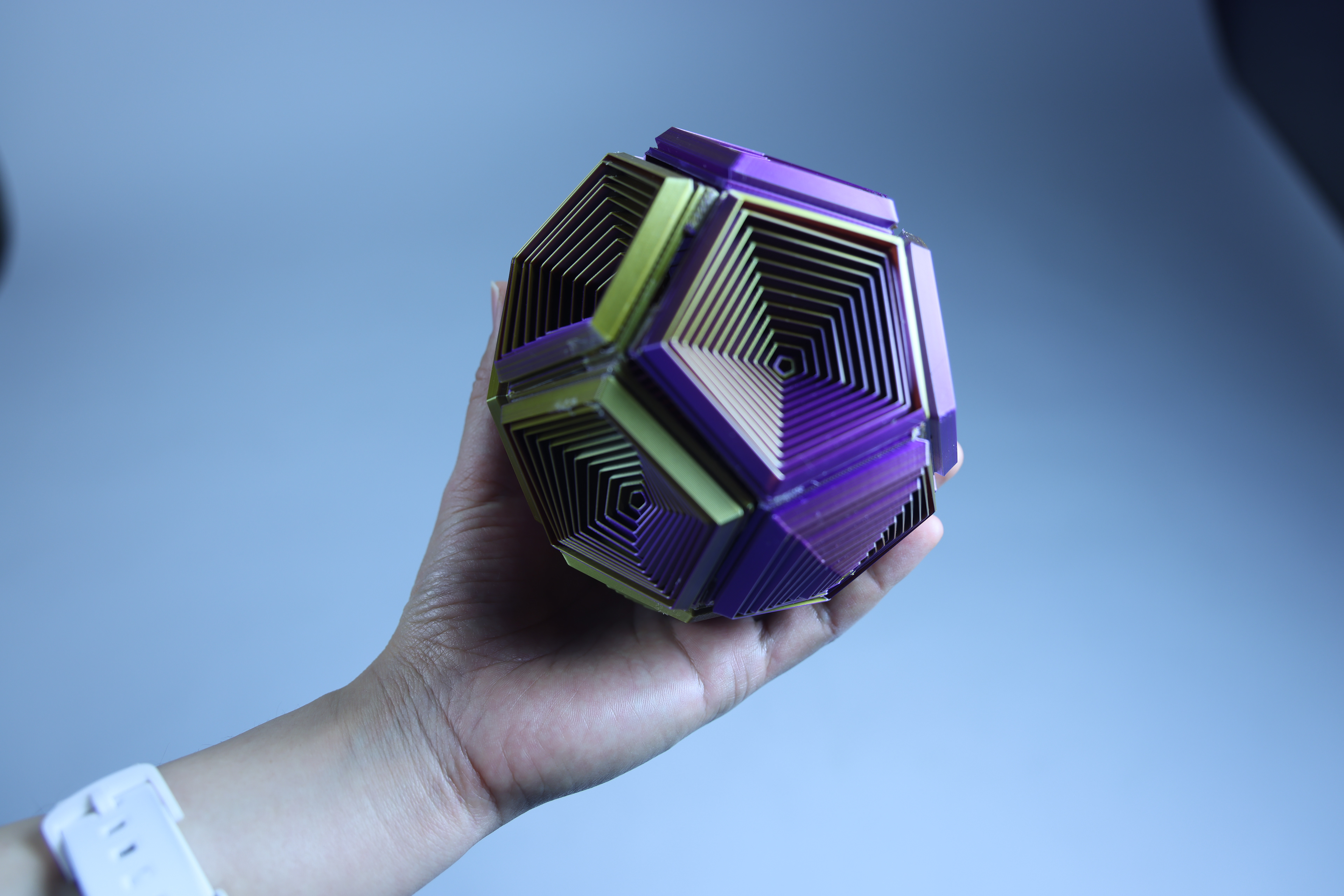
ANNELIO is a research project focused on optimizing soft scissor joint mechanisms inspired by earthworm peristaltic motion. The study aims to develop a flexible structural system for gastrointestinal capsule robots capable of adaptive deformation and efficient locomotion in complex internal environments. Grounded in bio-inspired design principles, ANNELIO employs parametric modeling, Karamba finite element analysis, and genetic algorithm optimization to explore multi-objective strategies—enhancing flexibility, maintaining vertical stiffness, and achieving lightweight structural performance. By comparing different joint configurations (basic, single-tooth, and multi-tooth), the project evaluates deformation behavior and mechanical response under varying loads. The results demonstrate the potential of soft, transformable structures to balance compliance and stability in extreme conditions. Integrating biomechanics, material science, and computational simulation, ANNELIO provides a new design framework for next-generation soft robotic systems and medical capsule mechanisms.
AMOEBA
2025
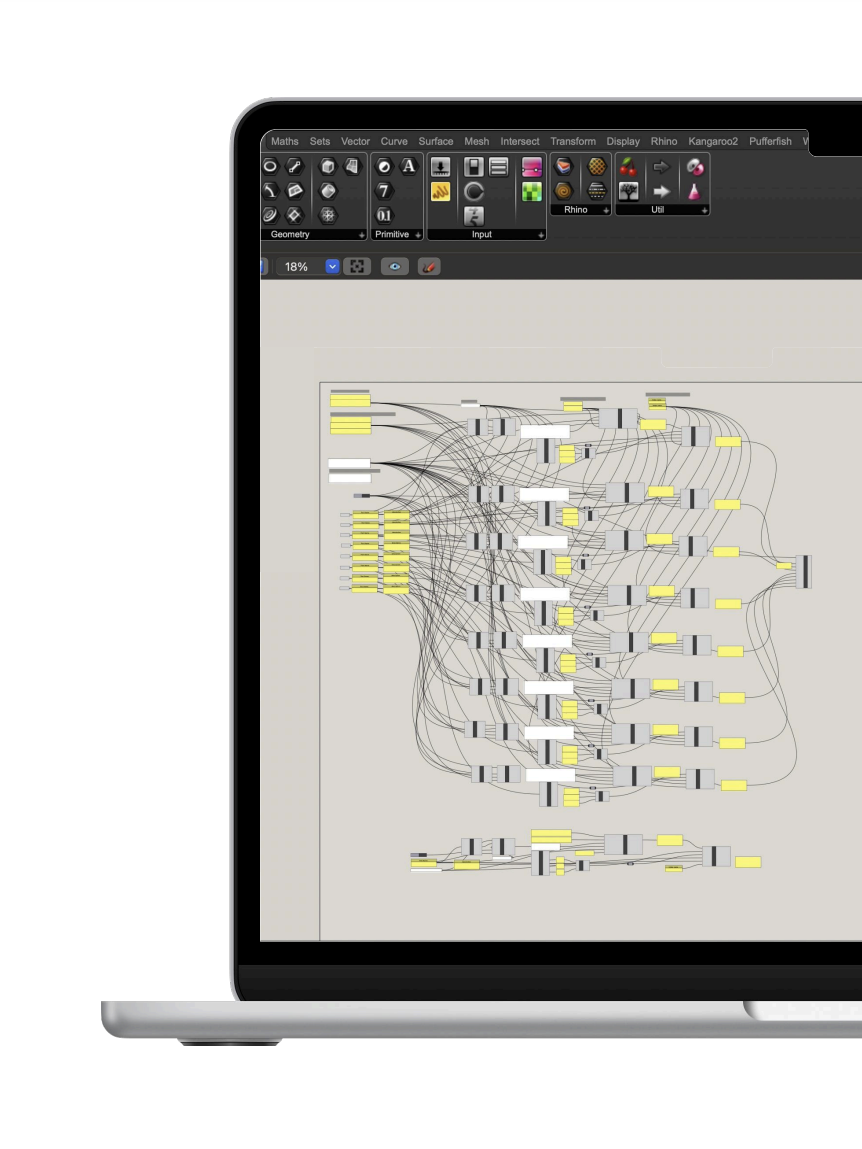
AMOEBA is a collaborative research project developed by a four-member team that received highly positive feedback. The project addresses a current gap in AI-assisted design: while tools such as Midjourney, Stable Diffusion, DeepMotion, and Pika Labs can generate 2D images, animations, or videos from text prompts, there remains a lack of software capable of producing fully functional 3D models directly from text or mathematical descriptions. AMOEBA explores this missing link by integrating OpenAI, Grasshopper, and Rhinoceros into a unified text-to-model generation pipeline. Over one semester of iterative experimentation, the team successfully developed the first prototype system capable of translating textual descriptions into simple 3D geometry—such as a chair model. Though the initial outputs are still imperfect, the project demonstrates the feasibility of semantic-driven 3D modeling. With continued refinement, AMOEBA envisions an intelligent, generative platform that bridges natural language, computational design, and digital fabrication.
RoboAR
2025
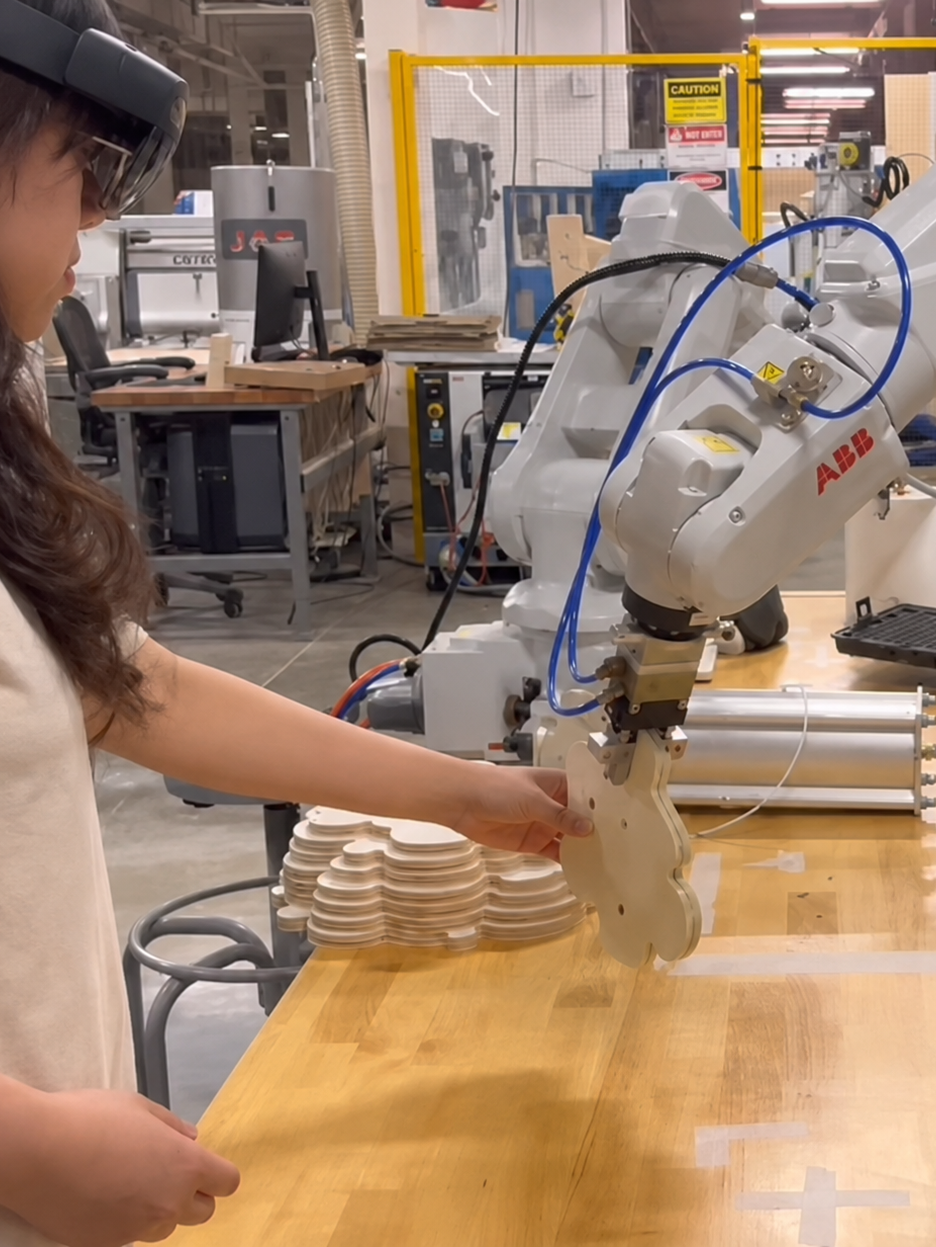
RoboVR explores the integration of virtual reality (VR) and robotic fabrication to create an immersive, intuitive system for real-time robotic arm control. The project focuses on two primary applications: robotic cutting and robotic assembly. In the first phase, users operate a robotic arm through a VR interface to perform precise cutting of digital models, translating virtual gestures and trajectories into physical toolpaths. This allows designers to experiment with form and material interaction in an embodied, spatial manner. In the second phase, the same VR environment enables users to assemble complex components by manipulating virtual parts, which are mirrored by the robotic arm in real space. The system combines spatial tracking, inverse kinematics, and motion mapping to synchronize human motion with robotic execution, bridging digital modeling and physical fabrication. RoboVR not only enhances human–robot collaboration but also redefines the workflow between design and making—transforming the robotic arm from a pre-programmed tool into an interactive design partner within a mixed-reality environment.
OPTIMIZATION OF JOINT
2025
This project explores the optimization of soft scissor joint mechanisms inspired by earthworm peristaltic locomotion, aiming to enhance flexibility and efficiency in gastrointestinal capsule robots. Through a parametric model integrated with Karamba FEA and a genetic algorithm, the study investigates how geometric and material parameters affect deformation, energy absorption, and motion adaptability. Three optimization objectives were defined—to maximize flexibility and displacement, maintain vertical stiffness for structural support, and minimize weight while maximizing extension in miniaturized forms. The research demonstrates a bio-inspired, data-driven approach that bridges structural mechanics and robotic design, providing a foundation for future applications in soft robotics and medical capsule locomotion systems.
MOTIONMATRIX
2025
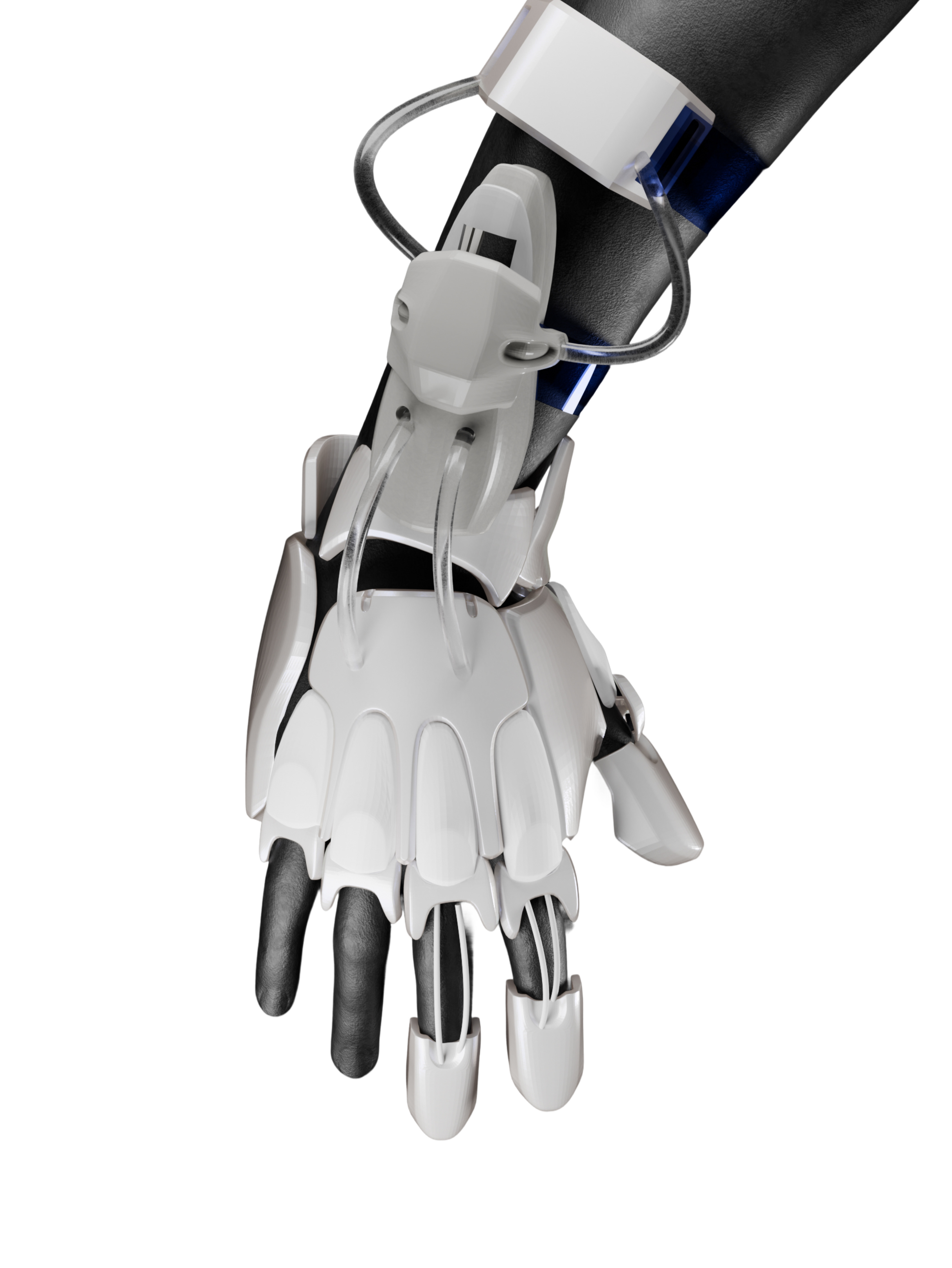
MotionMatrix is an interactive gesture-based music control system inspired by robotic arm mechanics. It captures hand poses and dynamic motion in real time to modulate musical parameters such as playback, looping, tempo, and volume. Large-scale gestures manage macro-level functions—like track navigation or section repetition—while subtle wrist and finger movements enable precise, continuous sound modulation. Integrated haptic and visual feedback ensures intuitive, eyes-free operation for performers. Beyond auditory control, MotionMatrix translates musical data into synchronized visual outputs on LED matrices, generating responsive patterns, particles, and text animations that visualize rhythm and melody. Each LED node can also be networked to wearable devices or mobile flashes, extending the performance into the audience. The system transforms musical performance into a multimodal experience—where sound, motion, and light converge—creating an immersive, participatory environment that redefines the relationship between performer, music, and audience.
Back to Top